
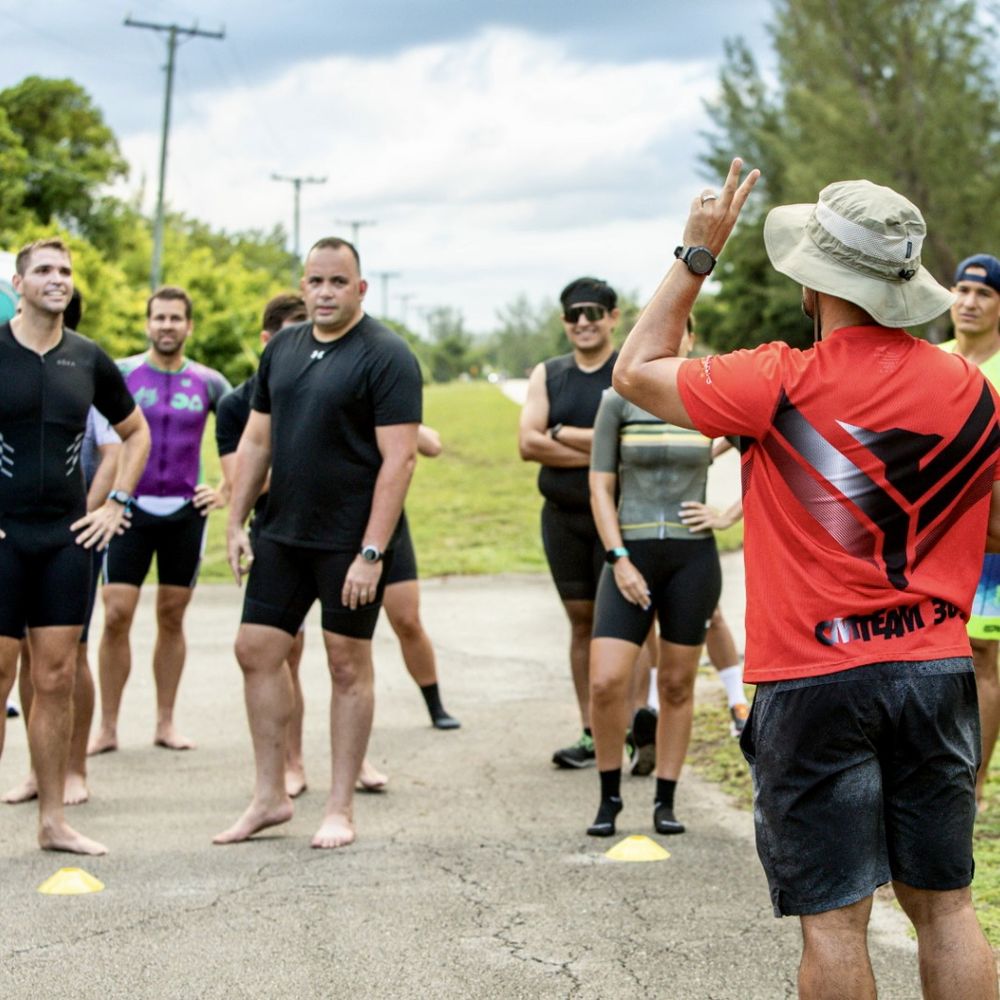
Alternate running periods with walk breaks that never exceed one minute. It is a run/walk strategy built to sustain performance for longer and to reduce the risk of injury and early fatigue.
How it works
- 1Run. You run for a set time or distance, while the effort stays comfortable.
- 2Walk. You walk for 60 seconds, timed. Never more, never less.
- 3Repeat. The cycle repeats until the end of the session or the race.
The goal is to spread short bouts of rest across the whole distance. This reduces accumulated muscle fatigue and improves overall performance, especially in long races such as the half marathon and the marathon.
More than 60 seconds: the body starts to get “lazy”. Heart rate drops too far, the muscles cool down and getting back into running costs you.
Less than 60 seconds: there is not enough time for muscular and cardiovascular recovery to actually happen. You stop, but you don’t rest.
One minute is the balance point: enough recovery to keep going, without losing the body’s rhythm.
How long to run and when to walk
Run while you feel good. Running segments can last from a few minutes to several kilometers: you keep reading your body and, before fatigue sets in, you add the one-minute walk to recover.
The cycles don’t have to be the same. On one stretch you might run 9 minutes and walk 1; further on, more tired or facing a climb, run 5 and walk 1. What decides when to walk is muscular and cardiovascular fatigue, not the clock.
Example: one race, three cycles
| Stage | Situation | Cycle used |
|---|---|---|
| Start | Fresh legs, flat terrain, comfortable effort. | 9 min running · 1 min walking |
| Middle | Long climb or first sign of fatigue. | 5 min running · 1 min walking |
| Finish | Accumulated fatigue, heart rate climbing faster. | 3 min running · 1 min walking |
HR is an excellent signal for when to walk. If it rises steadily above the range you can hold comfortably, it is time for the one-minute walk, even if the previous cycle was longer. Use HR to confirm what your body is already telling you, not to replace your perceived effort.
What happens during the walk
The walk is not a passive break. Your body keeps working, but at an intensity that allows it to recover.
Breathing. It stays deep to deliver oxygen to the working muscles, but with much lower demand than when running. That is what lets the cardiovascular system recover.
Muscles. Quads, hamstrings, calves and glutes stay active, but at lower intensity and with a different recruitment pattern from running. The hardest-working muscles get a window of rest.
Benefits
| Benefit | Why it happens |
|---|---|
| Less fatigue | Walking lets the muscles rest during the effort, reducing accumulated fatigue so you can run longer without reaching exhaustion. |
| Injury prevention | Continuous running concentrates the impact load. Walk breaks create pauses for the tissues to recover along the way. |
| Sustainable pace | By alternating running and walking, most people hold a steadier pace over longer distances than they could running non-stop. |
| Effort control | The cycle makes you read your body often. You decide when to walk before fatigue decides for you. |
The running segments in the 1-Minute Rule vary with fitness level, race distance and personal preference. One person may run 3 minutes and walk 1; another, shorter or longer segments. What never changes is the one-minute walk.
Talk to your coach to define the best strategy for you. And practice the rule in training: race day is not the moment to try it for the first time.
Golden rules
- The walk lasts 60 seconds. Never more, never less.
- Run while you feel good. Walk before fatigue sets in, not after.
- Running segments can change during the race. The one-minute walk does not.
- A climb is a legitimate reason to shorten the running segment.
- Heart rate confirms when to walk. Perceived effort decides.
- When you walk, really walk: firm stride, upright posture, active arms.
- Set your strategy with your coach, not on your own on race day.
- Practice the rule in training so it is automatic on race day.
The 1-Minute Rule is not about stopping running.
It is about running farther, better and whole all the way to the finish.